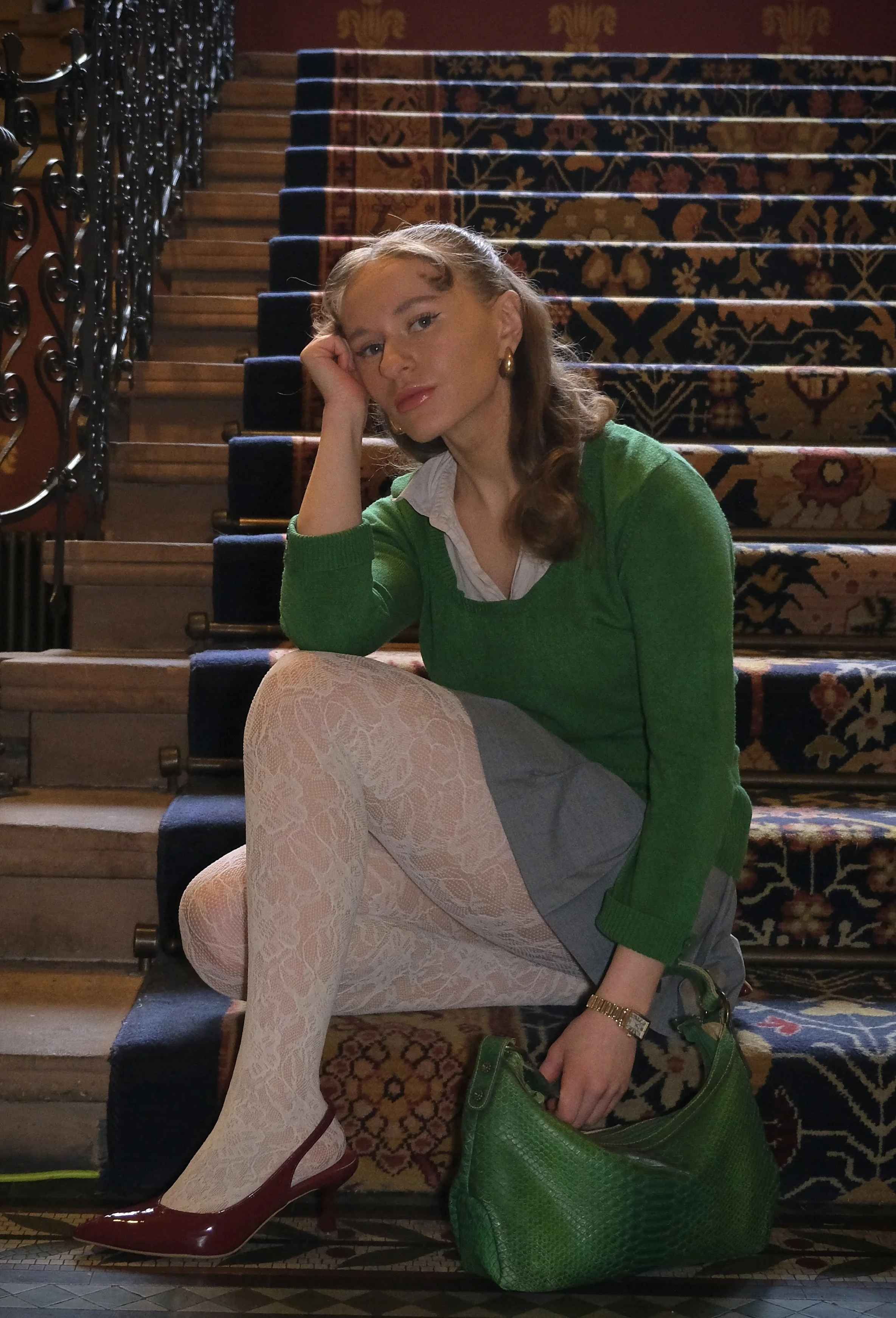
Filmmaker Zara Woolf hard launches her new dating documentary
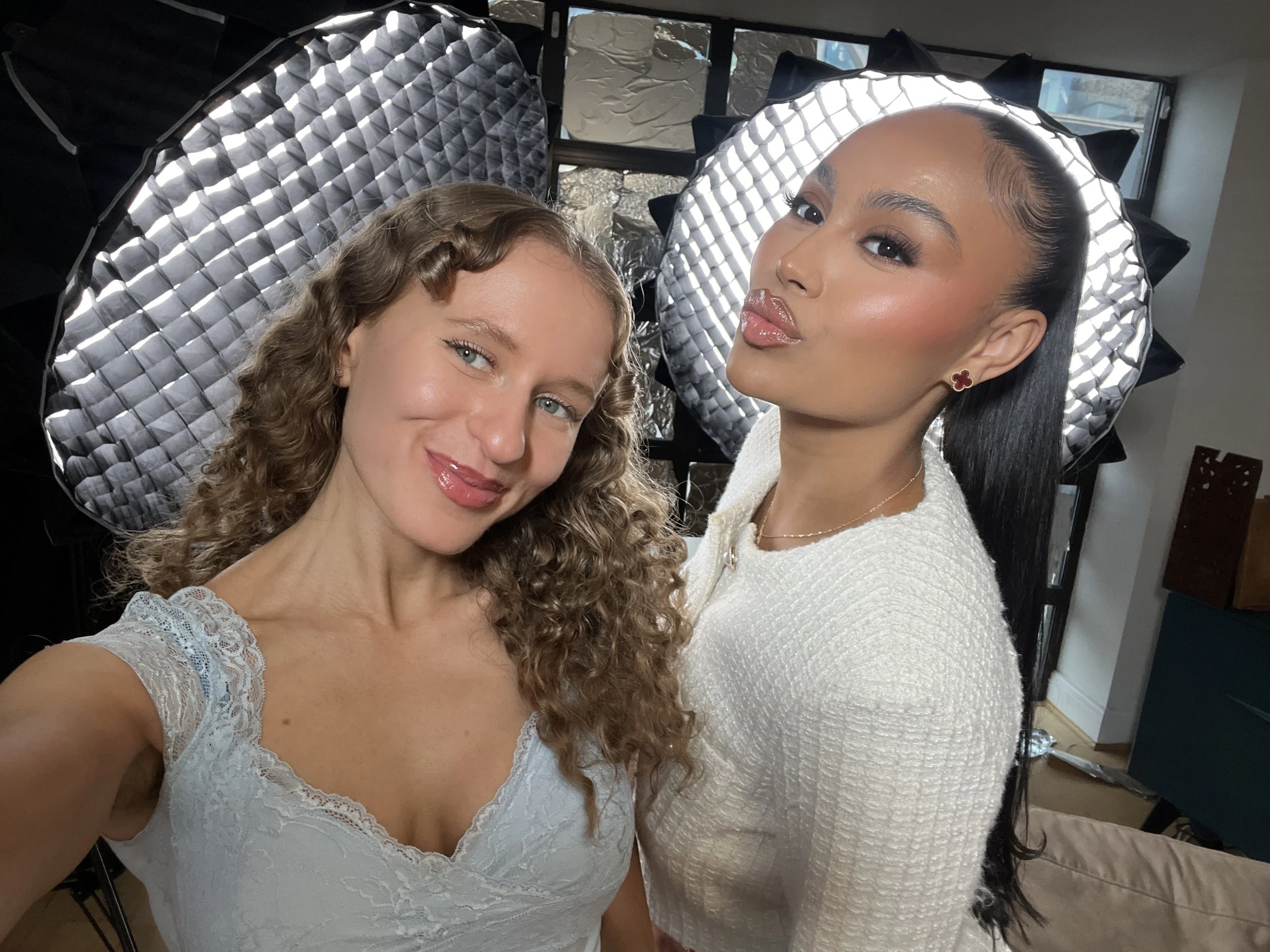
Our editor Ally was so excited to sit down with filmmaker Zara Woolf ahead of her new documentary, Hard Launched, to discuss the struggles of modern dating.
So we’re all in agreement that the modern dating scene is a sh*tshow, right? From ghosting, to never-ending situationships, to fatigue from scrolling through endless prospects in the apps. But why is it that dating is so hard these days, compared to previous generations stories about meeting somebody in a chance encounter down the pub and living happily ever after?
Zara steps in to find out just this. Throughout 10 chapters, Hard Launched explores the factors which impact modern dating and relationships. Bringing together a variety of voices, from TV dating show stars and content creators to a psychologist, divorce lawyer and financial advisor, who provide varied and unique perspectives on everything from texting to attachment styles.
With one week to go until its 20th May premiere on YouTube, Zara’s interview provides a sneak peek on what we can expect to see, the surprising controversy, and what it was like to work with Love Island royalty Ella Thomas on set.
Tell us about your new documentary, Hard Launched!
Hard Launched is a documentary which explores the impact of modern dating and relationships. It’s split into 10 different chapters, each of which explores a factor that poses significance on the modern dating scene. Each chapter features interviews with a variety of people, from TV dating show stars and content creators to a psychologist, divorce lawyer and financial advisor, who provide varied and unique perspectives on everything from texting to attachment styles. Things that you might not even think are relevant to relationships, I thought were worth talking about. For example, one of the sections is on Situationships, while another focuses on the cost of living crisis.
It’s going to be released on YouTube on 20th May 2026 - stay tuned!
Where did the concept come from, and why did you want to focus on relationships in the modern world?
I wanted to make something that was relatable and would allow people to feel heard. A lot of content that I’m seeing on TV and social media is specifically about relationships and dating and I think that there’s a lot of fascination with that. There's a lot of conflicting opinions as well, which is something that we discuss in the documentary. It’s also something I’m personally interested in as someone who consumes that content on the internet, all of the different advice and experiences, it made me want to look more indepth. I think it's also really interesting how much dating has changed since my parents and grandparents' generation, such as the ages at which we choose to get into serious relationships and settle down.
How did you choose the people to be featured?
I wanted to provide a variety of contrasting voices who might not all agree with each other. My personal attitude towards storytelling and documentary making is not to force my opinion on the viewer, but to create an open space for discussion and to provide the audience with different perspectives so that they can make their own decision. I always aim to create a space where everyone can have understanding and contribute to a conversation.
For example, Jordan Theresa, who’s incredible, I watch her content online and I was like, she's going to be amazing. Because the themes that she deals with in her content are so parallel with what I want to talk about and I thought she would be such a great voice for young women. Whereas with Louis Pollock, he’s a voice that represents the young British lad and that's part of the target audience. Tyler Cruickshank also gives that Love Island audience and dating show aspect alongside Ella Thomas. Francesca is one of my best friends, who speaks about psychology and relationships on her platform, so naturally she was perfect.
There are voices from those who are not so in the public eye, at least not yet, but they definitely have that trajectory in their future. When I met these people in hospitality environments, they just had such infectious personalities and I thought they would be so great on camera and achieve an even further range of perspectives.
I love Ella Thomas! Why was she the right host for this?
Ella as the presenter made so much sense, as she made her name on Love Island. So her audience who are naturally interested in Love Island and modern dating would also be able to relate to the documentary. Ella has also been getting into presenting for a while, so it seemed like a great opportunity for us to work together.
It was really fun working with Ella. It honestly felt so cool to have someone as amazing as her champion me as a filmmaker by coming onboard the project. She and her manager were so lovely to work with. When I got the call that Ella wanted to present the documentary, I was just grinning from ear to ear. It felt like such a big break for me.
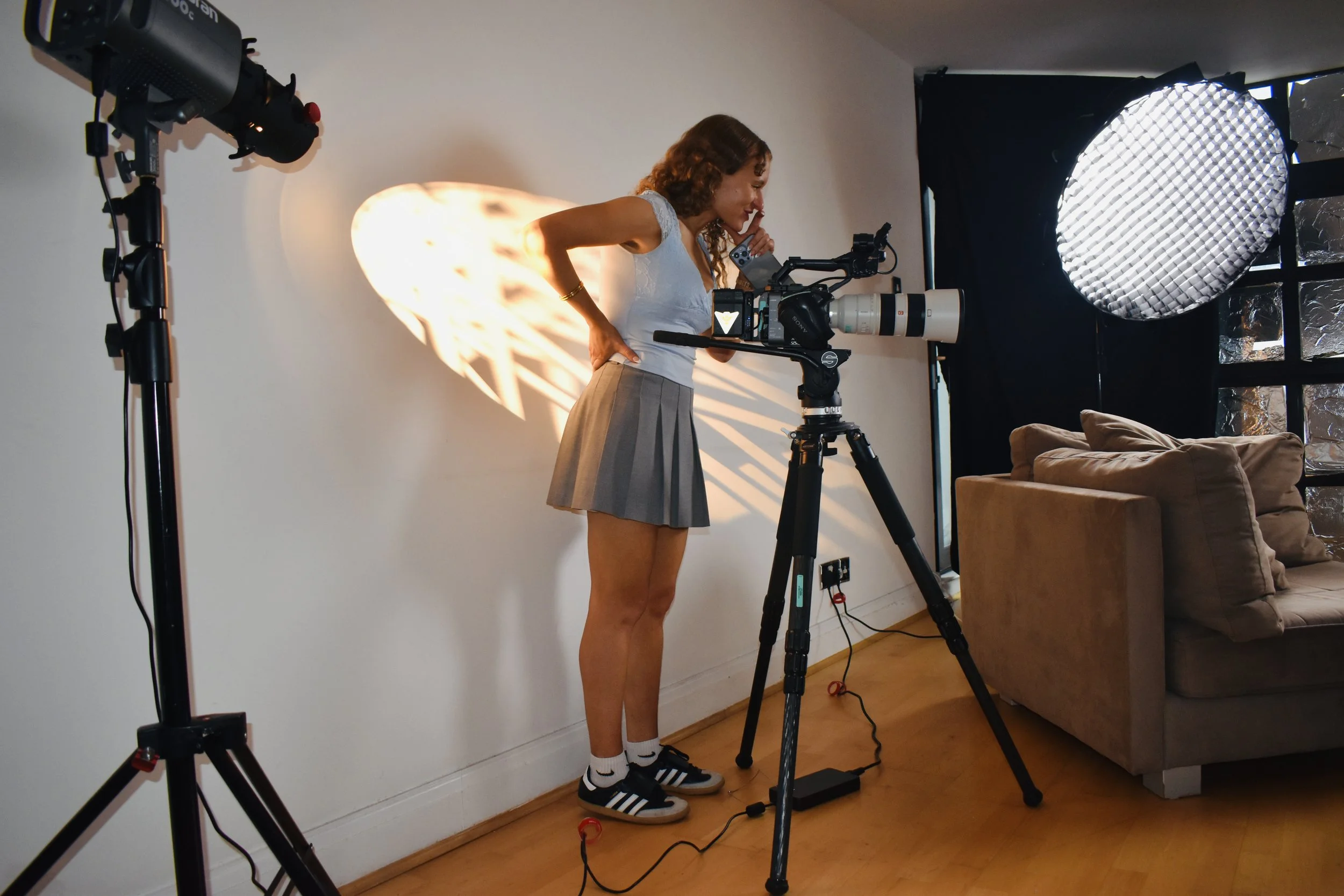
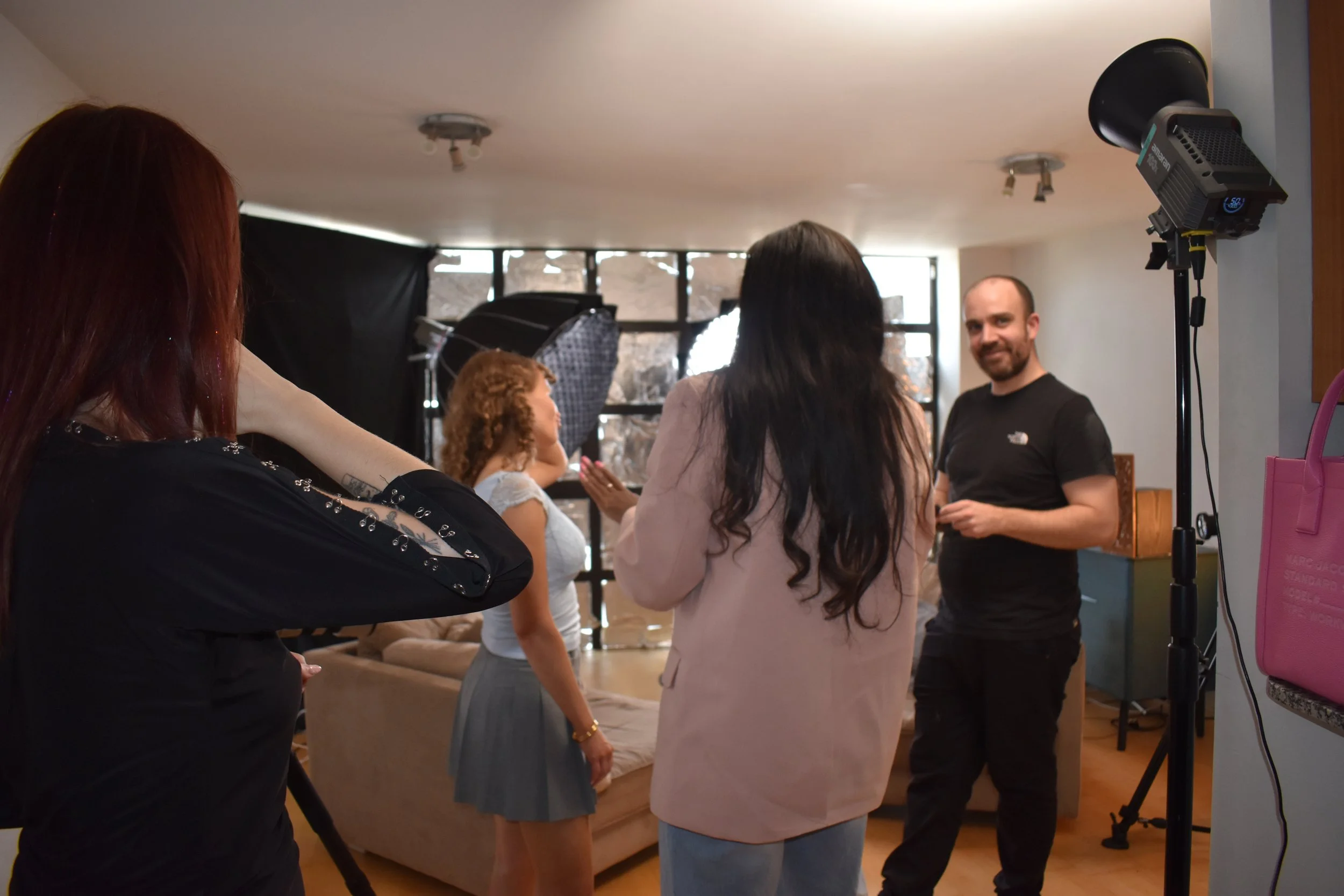
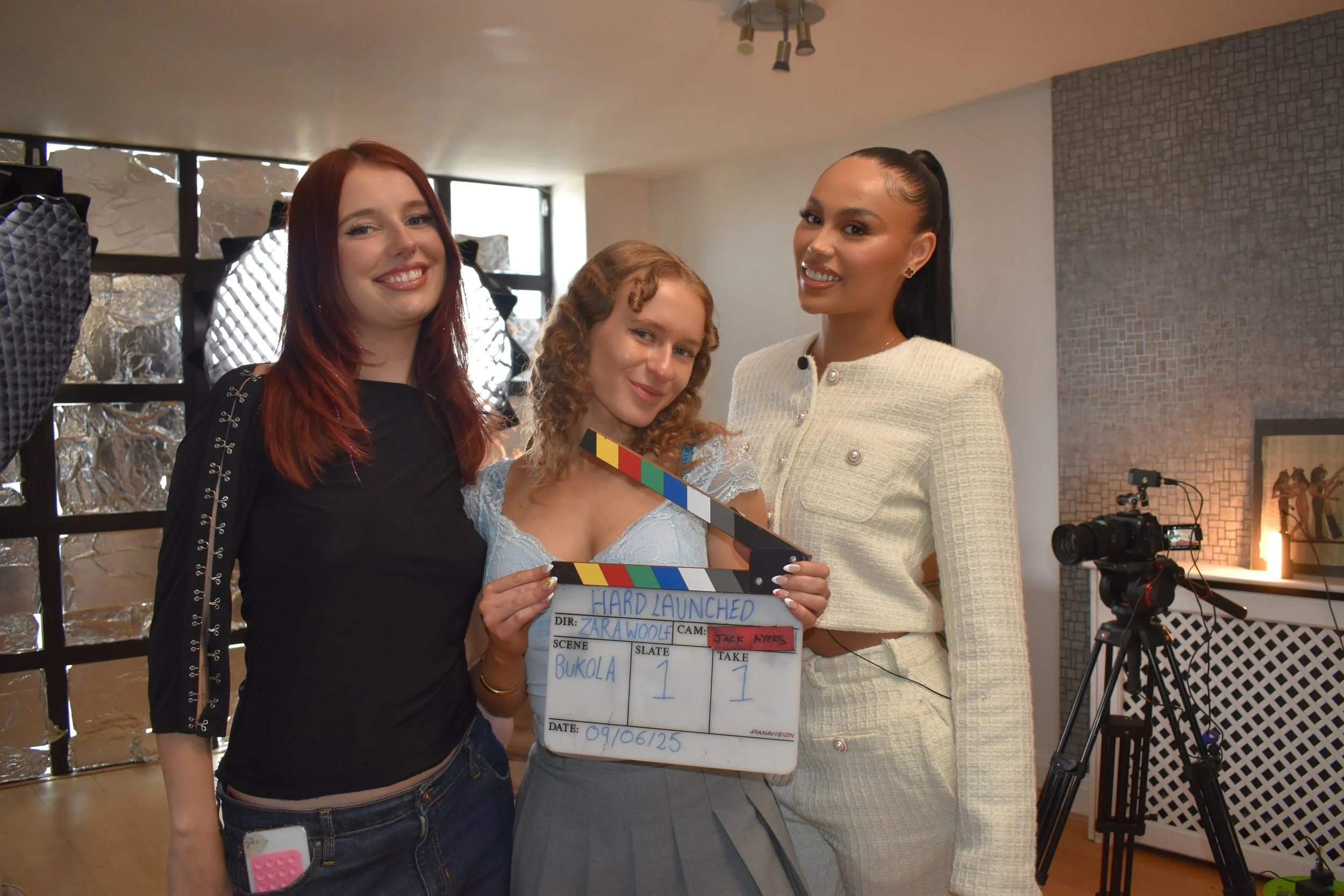
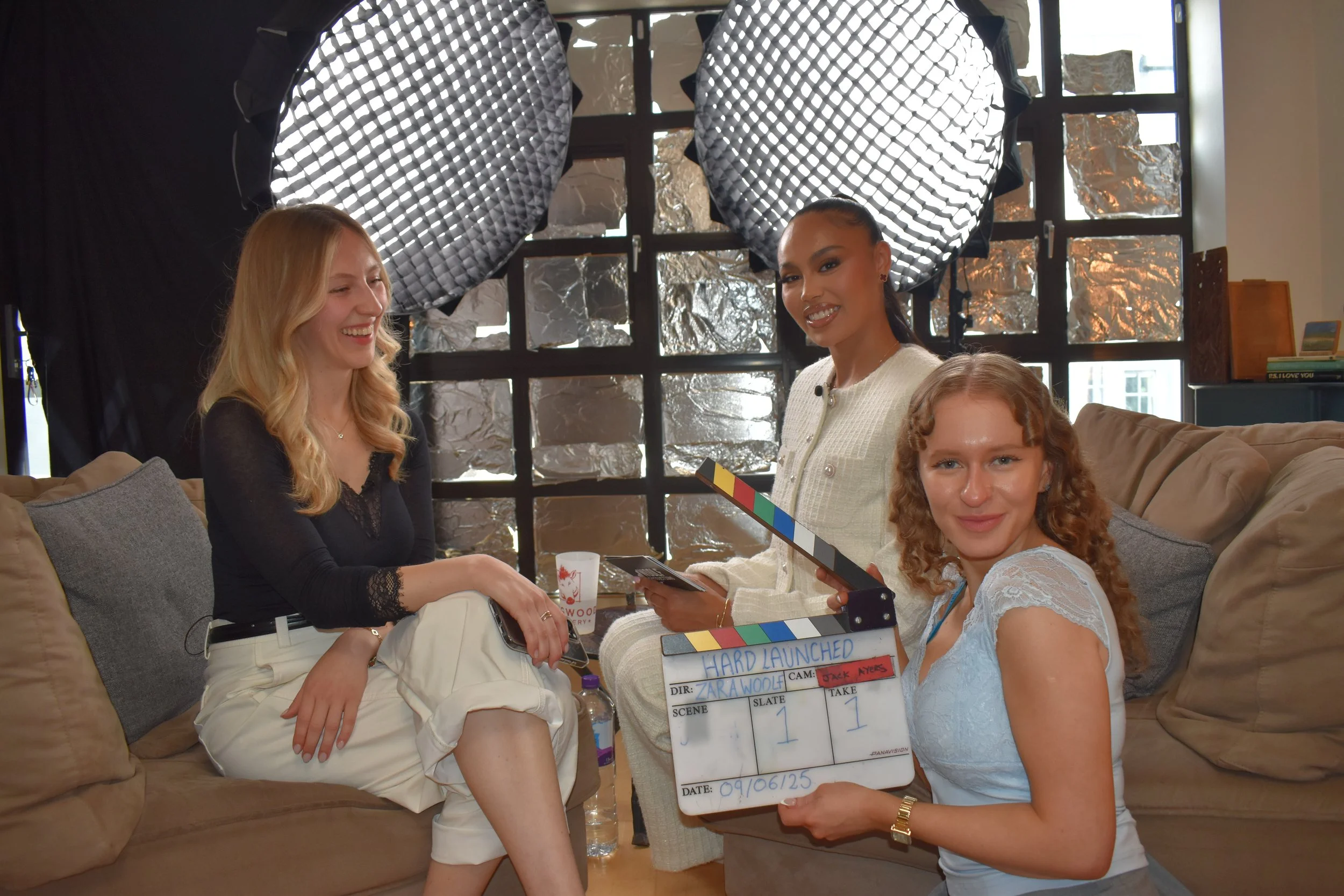
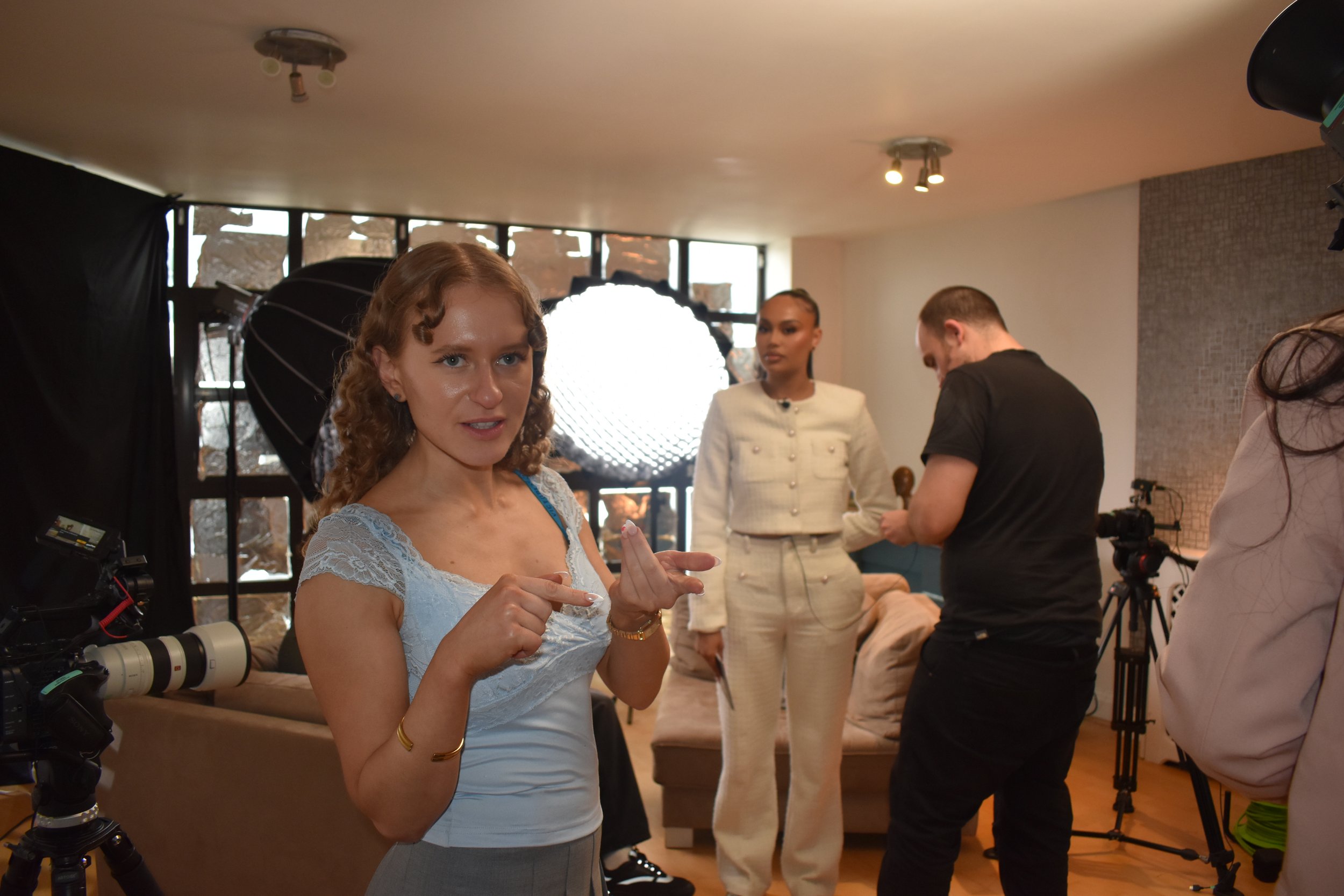
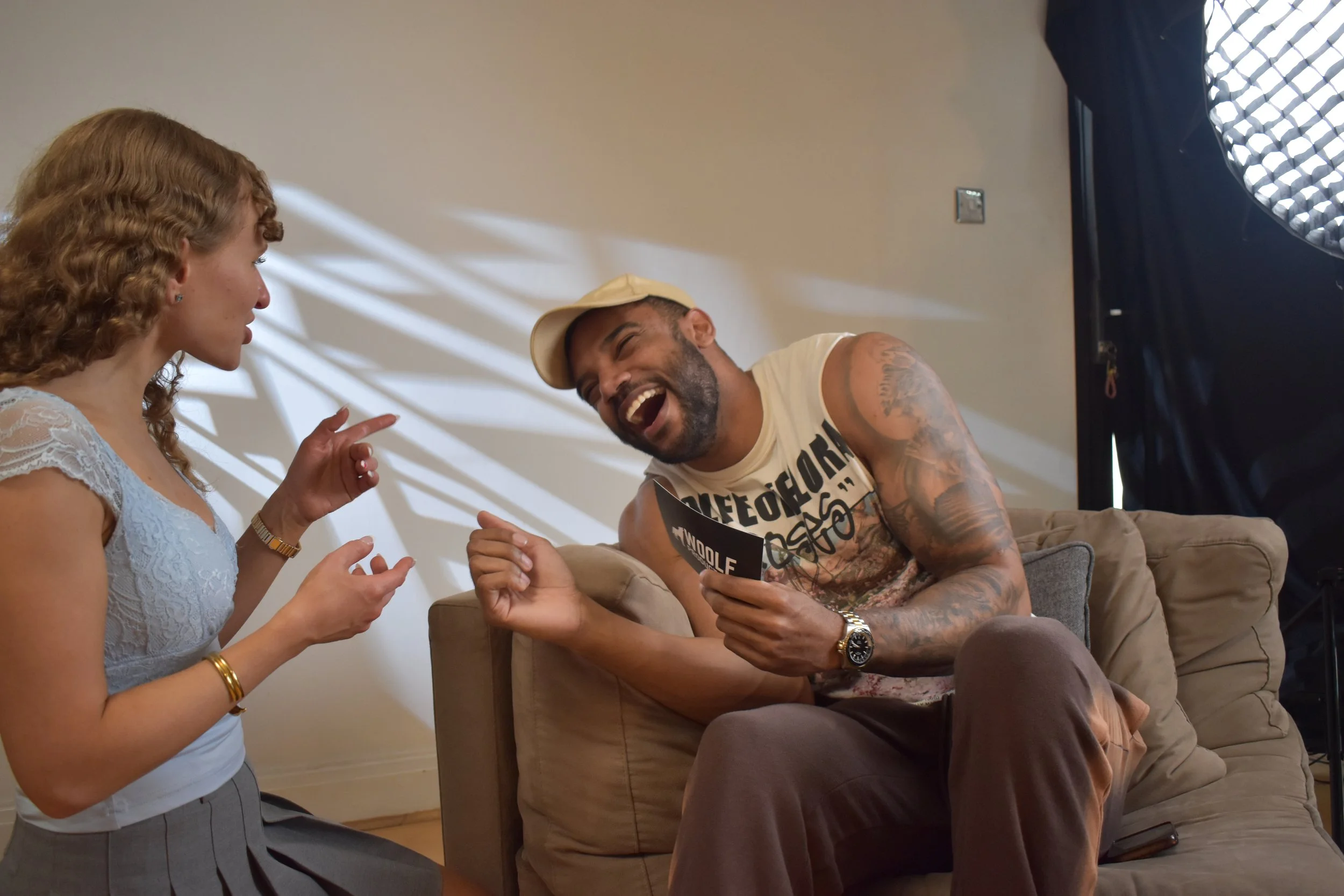
As someone who is currently braving online dating (in their 30s, no less!) this documentary feels particularly poignant - why did you feel this was such a relevant subject matter to discuss right now in the way society frames relationships?
I think it’s fascinating to contrast modern dating to my parent’s generation. We currently have a digital hyperfixation, which can exacerbate anxious attachment styles by looking at your phone and being triggered by people not replying. We’re all so much more easily accessible to each other - our parents might have waited for someone to call after a date, but they wouldn’t spiral all day if someone hadn’t messaged them for a certain amount of time because it’s not so immediate. There’s so much talk about how if someone doesn’t message you within a certain time frame they aren’t interested, or you should ghost them, but there are also boundaries and nuances for some situations. Like, it's so subjective and it's really hard because not everyone communicates in the same way. But it makes it even more difficult, because you're like, do they not like me or is that just how they are?
So a lot of people will relate to this documentary, who are going through the shit show of the dating scene, and it will be good to get both sides of it and know you aren’t alone. Making the documentary has also allowed me to think about my own personal dating experiences with a broader perspective and in a more objective way. It’s opened my eyes to factors from both sides, and the difficulties that both women and men face when looking for love.
What were some of the things you discovered when making this documentary that maybe you were most surprised by?
There are the typical challenges that come with filmmaking, such as the location falling through at the place we had originally booked the day before we were set to start filming. I always try to be as professional as I can, and it’s not about whether things go wrong, as they likely will, it’s about navigating those challenges.
Editing the interviews was also such a big challenge. Anytime I wasn’t working in casting or at my part-time job at the Everyman Cinema, I was editing. I hired an additional editor and we sat down together for one day as he helped me look at things with a fresh pair of eyes. You have to decide how you’re going to make the hours of footage into a story and what you want that narrative to be and it can be daunting at the start of the process. I would say I enjoy editing more when I have a baseline and you know the direction it is going in.
One of the things that surprised me was that I have received a lot of hateful comments on TikTok relating to the documentary and how parts of it cover men’s mental health. As a documentary maker, I want everyone to feel heard and to be part of important conversations, regardless of gender. It’s important when you're making a documentary to be objective - if you want people to open up and share their experiences, you can’t be too biased. It’s just not my personal style to try and skew viewer’s perspectives, I want to allow people to tell their own stories. It was overwhelming at first as I’ve never experienced this before, but now a few clips from the documentary have gone viral I know what to expect and I’ve stopped reading them.
Can you tell our readers about you - how you got started in filmmaking and your experience as a writer/director and projects you have created so far.
I actually grew up wanting to be an actor when I was a child; I went to acting classes when I was around eight years old. But even at a young age I wound up feeling frustrated, as it’s such a competitive space, especially for girls. I didn’t know anyone in the industry and I felt like I had no control over my career, so I decided that to have more control I could make my own films. To an extent, obviously, you can make films, but it's really difficult because I've self-funded around 90% of my work.
I made my first film in 2020, in lockdown, and it was available on Amazon Prime, which I was really proud of. After that I went to film school and learned more about the technical side of filmmaking and how to produce a film in a professional way. I also work in the industry as a casting assistant. And I just kept making short films, which I was really passionate about. Then I transitioned to making a feature length project, which was a documentary that I could fund myself, with my production company, Woolf Productions.
It can be difficult balancing everything and having a corporate job to be financially stable as well as making art and proving myself in the industry. A lot of creatives will understand the struggles of trying to make a name for yourself and trying to make a living while doing what you’re passionate about. It’s all about taking those stepping stones until you reach that breakthrough.